More than a feeder: The engineers behind 20 years of Agilis™ flexibility
Behind the electronics we use every day are people constantly looking for better ways to build them. Agilis™ is one example of how Mycronic engineers have combined customer insight, curiosity and precision to solve real production challenges for more than 20 years.

Every day, people rely on electronics to communicate, receive medical care, operate industrial systems and manage life at home. Behind these products are manufacturers working to produce increasingly complex electronics with precision, reliability and efficiency.
Helping customers meet that challenge has long been a driving force for Mycronic engineers.
For years, Mycronic engineers have been focused on a challenge that might seem simple at first glance: keeping production moving. As product variants increased and production environments became more complex, manufacturers needed new ways to maintain flexibility without compromising efficiency.
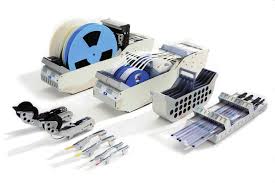
Within Mycronic's PCB Assembly Solutions division, that challenge inspired a new feeder concept that evolved into Agilis™, a feeder technology designed to help manufacturers manage changeovers, improve flexibility and adapt to increasingly complex production environments. Today, that same engineering mindset continues to shape how Mycronic helps customers produce the electronics the world depends on.
Looking beyond machine speed
In electronics manufacturing, speed often gets the spotlight. But Mycronic engineers saw something different.
They spent time observing production environments and listening to customers working in high-mix manufacturing. While machines were becoming faster, many manufacturers were still losing valuable time preparing materials, managing changeovers, replenishing components and avoiding setup errors.
The team wasn't trying to create a faster feeder for the sake of technology. They were looking for a better way to help manufacturers manage increasing complexity while keeping production running efficiently.
As Robert Helleday, Head of R&D at Mycronic, explains:
“The challenge was that traditional solutions were bulky and very time consuming to use and that even big improvements on them would not lead to the drastic improvements we got with Agilis. We were ‘forced’ to innovate to take a leap step.”
Rather than starting with the technology, the team started with the people who would use it every day. The goal was not simply to make equipment run faster. It was to help customers create more efficient, adaptable production environments.
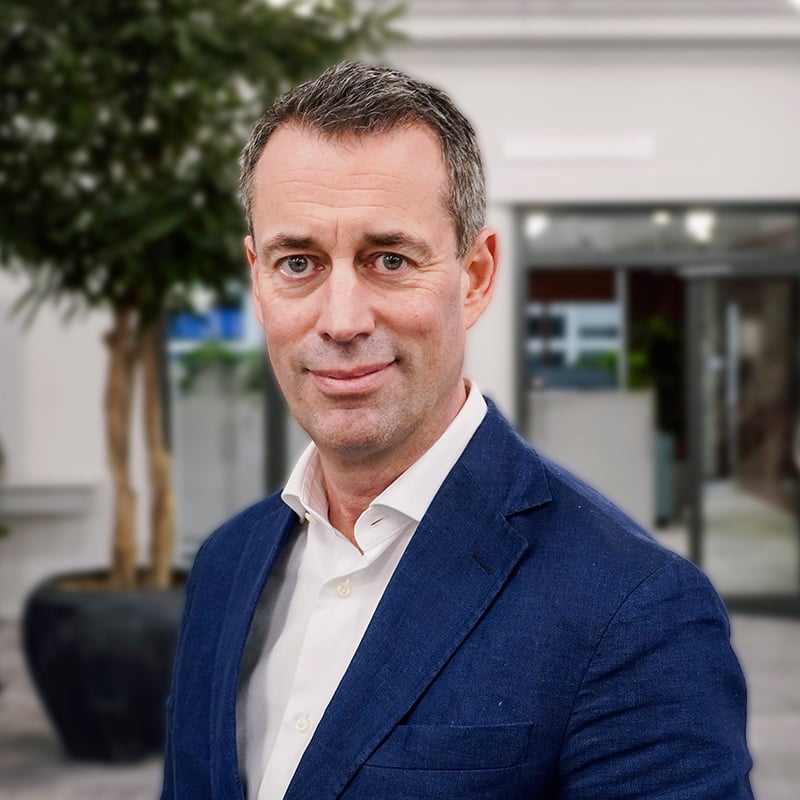
Robert Helleday, Head of RnD, PCB Assembly Solutions division
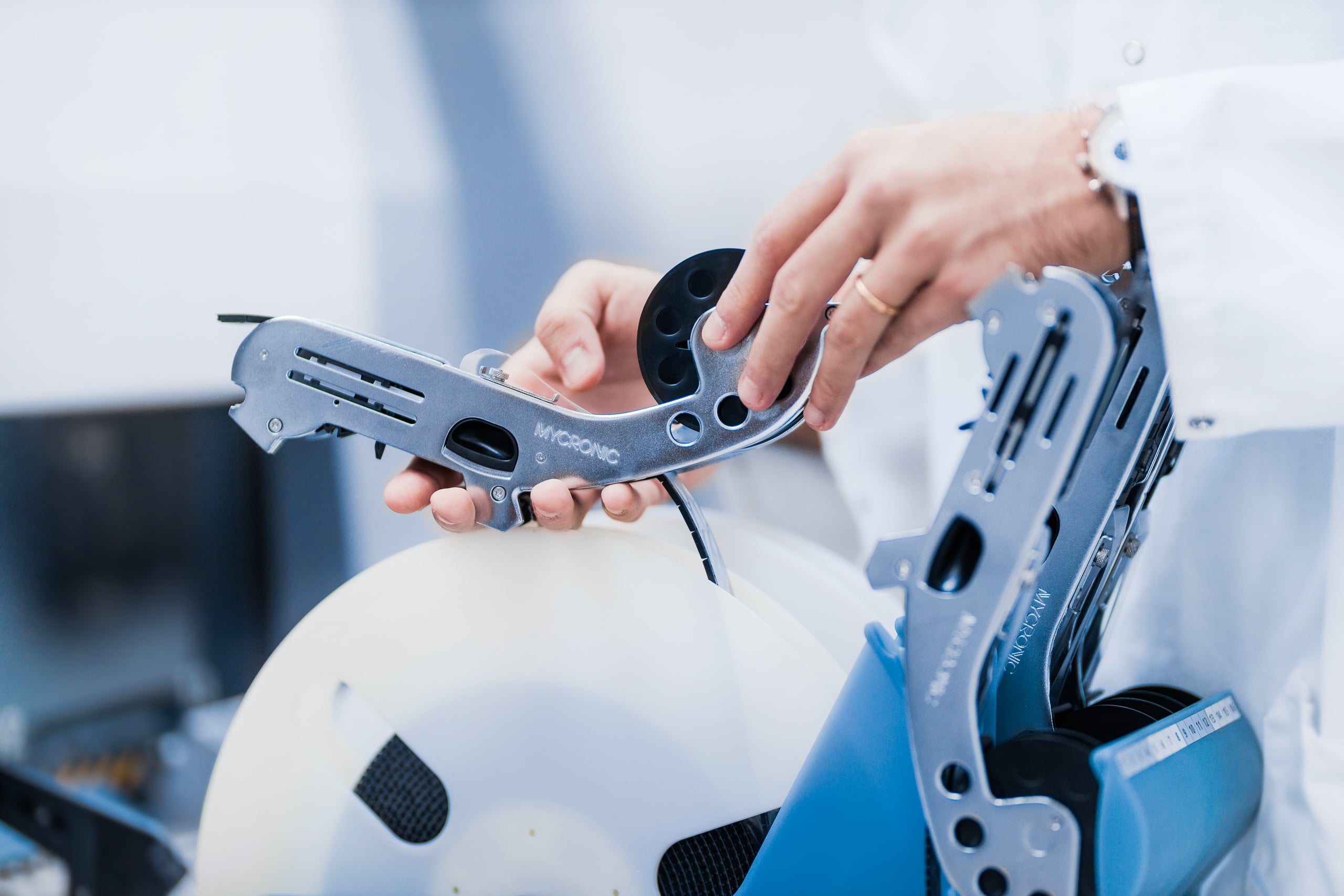
Instead of designing around speed alone, engineers focused on the people using the equipment every day. The result was a feeder concept built around flexibility, ease of use and reliability. A unique tape-handling method eliminated complex mechanical take-up systems and unnecessary moving parts, creating a simpler and more robust design.
This approach reflects a mindset that continues to guide innovation at Mycronic: understanding customer challenges and developing high-quality solutions around real production needs.
Built through partnership
Innovation rarely happens through a single breakthrough.
The Agilis story is one of continuous learning, shaped through years of collaboration with manufacturers, operators, production managers and engineers working in real production environments.
As electronics manufacturing evolved, so did customer requirements. Product variants increased, component diversity expanded and manufacturers needed more flexibility than ever before. Mycronic engineers continued visiting production environments, gathering insights and refining the platform based on real-world challenges.
These conversations helped drive two decades of engineering development.
Today, Agilis extends beyond feeders and into a broader ecosystem that includes magazines, trays, stick feeding, intelligent storage, smart bins and software integration connecting planning, kitting, replenishment and traceability, helping manufacturers manage material flows across the production process.
According to Pelle Carlqvist, Director of Pick-and-Place at Mycronic:
"Seeing customers using the Agilis feeders in their daily work is truly rewarding for me as someone working in R&D. It enables almost any operator to learn to handle it in seconds. The A-feeder and Flex Feeder Gen2 carry over 20 years of accumulated insight, and they're the most robust feeders we've ever made."
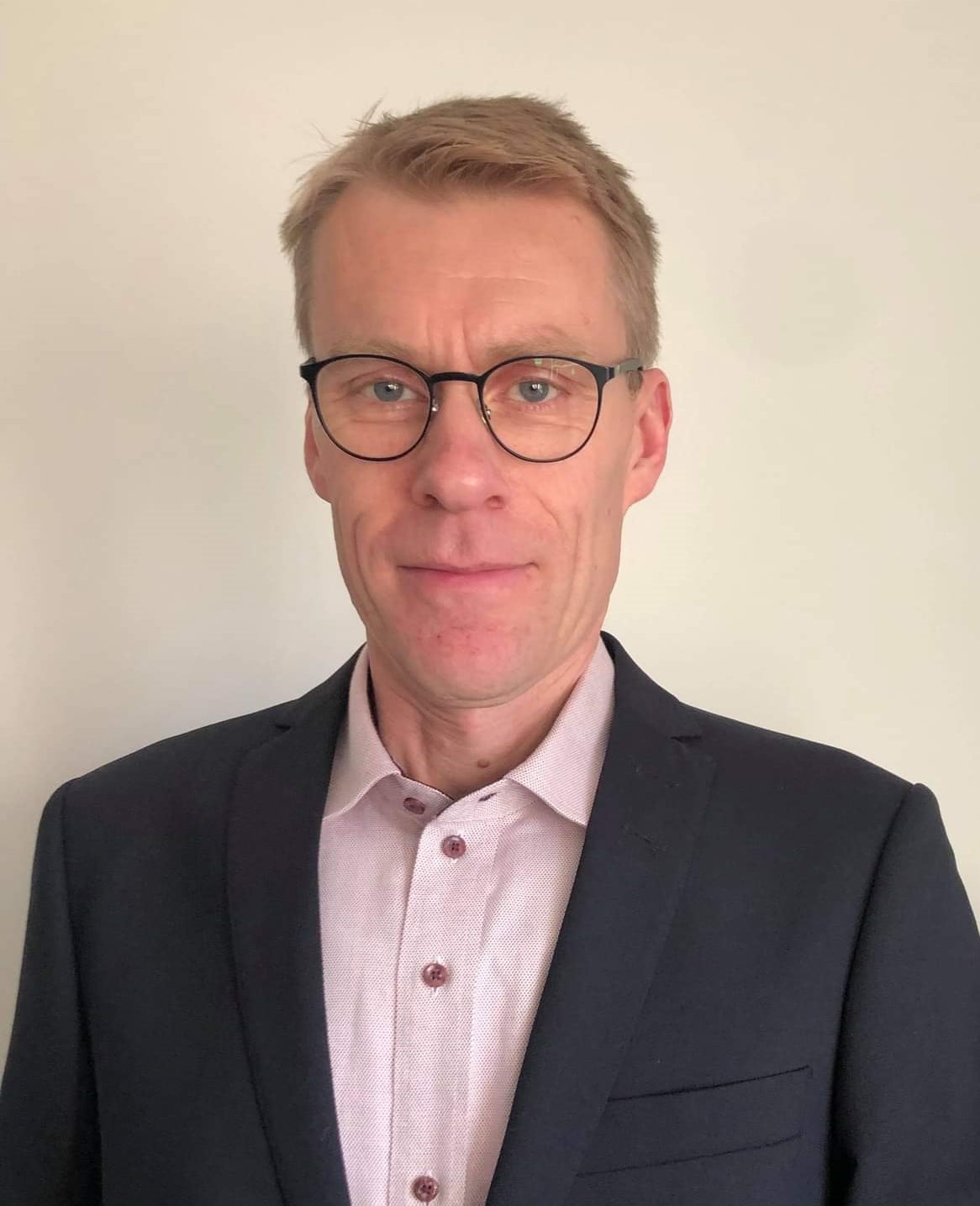
Per Carlqvist, Director of Pick-and-Place at Mycronic
Engineering for a changing industry
The challenges facing electronics manufacturers continue to evolve.
Factories are producing more variants, introducing new component types and demanding greater traceability and efficiency. Manufacturers need solutions that can adapt alongside their business.
That is why Agilis continues to evolve.
Recent developments such as Agilis 8 mm Revision A and Agilis Flex Generation 2 introduced improvements to reliability, durability, tape handling and overall performance. Importantly, these improvements were designed to remain compatible with previous generations, helping customers protect long-term investments while benefiting from ongoing innovation.
This long-term perspective reflects another important principle at Mycronic: anticipating future customer needs while creating sustainable solutions with long product lifecycles.
The people behind the precision
For many companies, innovation is measured in specifications and product launches.
At Mycronic, innovation is also measured in relationships, curiosity and the willingness to challenge assumptions.
The story of Agilis is ultimately not about feeders.
It is about engineers who looked beyond machine speed and chose to focus on the realities manufacturers face every day. It is about listening carefully, learning from customers and turning those insights into practical solutions that improve production.
For more than 20 years, teams across Mycronic have continued to refine, improve and evolve the platform, helping manufacturers manage increasing complexity while maintaining the flexibility modern electronics production demands.
At the end of the day, that work supports something much larger than a feeder platform. It helps manufacturers produce the electronics that power communication, healthcare, industry and everyday life around the world.
That combination of people, precision and purposeful innovation continues to define Mycronic today.
Because bringing tomorrow's electronics to life starts with the people willing to imagine a better way to build them.